
Blogs
Why Third-Party-Tested Peptides Matter for Research
Third-party testing are conducted outside the manufacturer’s and supplier’s internal operations to ensure unbiased, high-quality reporting. It assures laboratories and researchers that they are working with the exact molecule required for the study.
Read More →Research Peptides (USA): Research-Grade vs. Pharmaceutical-Grade
DISCLAIMER: This article is for informational and educational purposes only. All products referenced are sold strictly for laboratory and research use by qualified professionals. Not for human consumption, veterinary use, or diagnostic use. With its potential across various industries and applications, the role of research peptides has been growing exponentially in peptide science, biotechnology, and laboratory-based […]
Read More →
How to Read a Peptide Certificate of Analysis
When buying peptides online, the COA should always be checked and verified. It must contain empirical data provided and tested for by a legitimate third-party laboratory, and should verify that the powder in the vial is correct, concentrated, and free from contaminants.
Read More →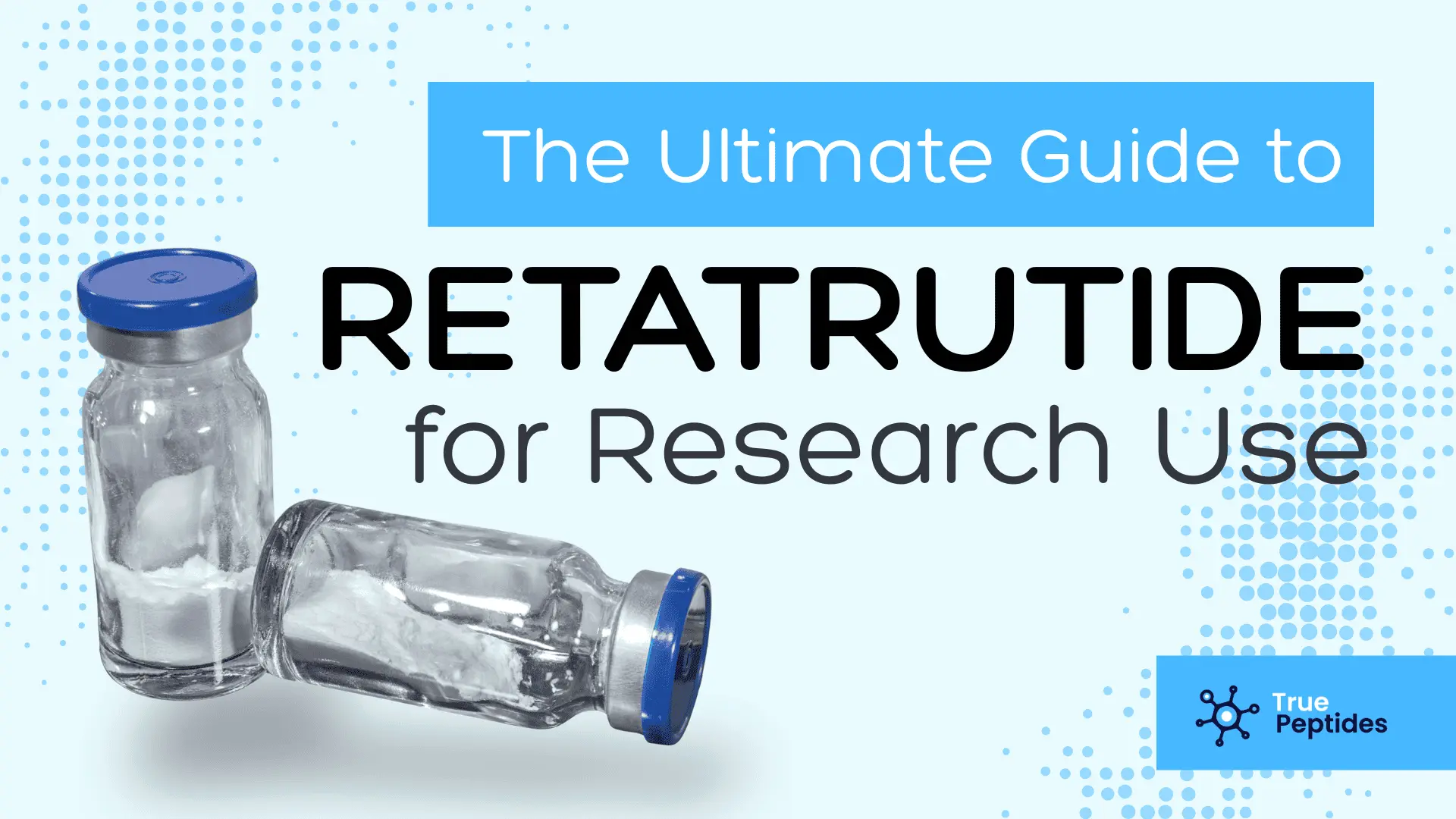
The Ultimate Guide to Retatrutide for Research Use
Retatrutide is a synthetic triple-receptor agonist peptide targeting GIP, GLP-1, and glucagon receptors. This guide covers its molecular structure, receptor binding profile, and proper laboratory handling for research use.
Read More →
How to Reconstitute Peptides for Laboratory Use
Because lyophilization removes the water necessary for biological activity in peptides, biotech peptides reconstitution is important to reactivate them and make them functional for laboratory use.
Read More →How to Optimize Peptide Solubility for Experimental Use
Understanding and optimizing peptide solubility is crucial to the success of the experiment, the accuracy of peptide concentration measurements, and the overall development of research applications.
Read More →
How to Store Peptides for Long-Term Research Use
Storage conditions can affect a peptide’s degradation, stability, and reproducibility, thereby influencing the conclusions of a study or experiment. They serve as critical tools in advancing peptide science, particularly in biotechnology, pharmacology, and molecular biology, all of which crucially rely on successful laboratory work.
Read More →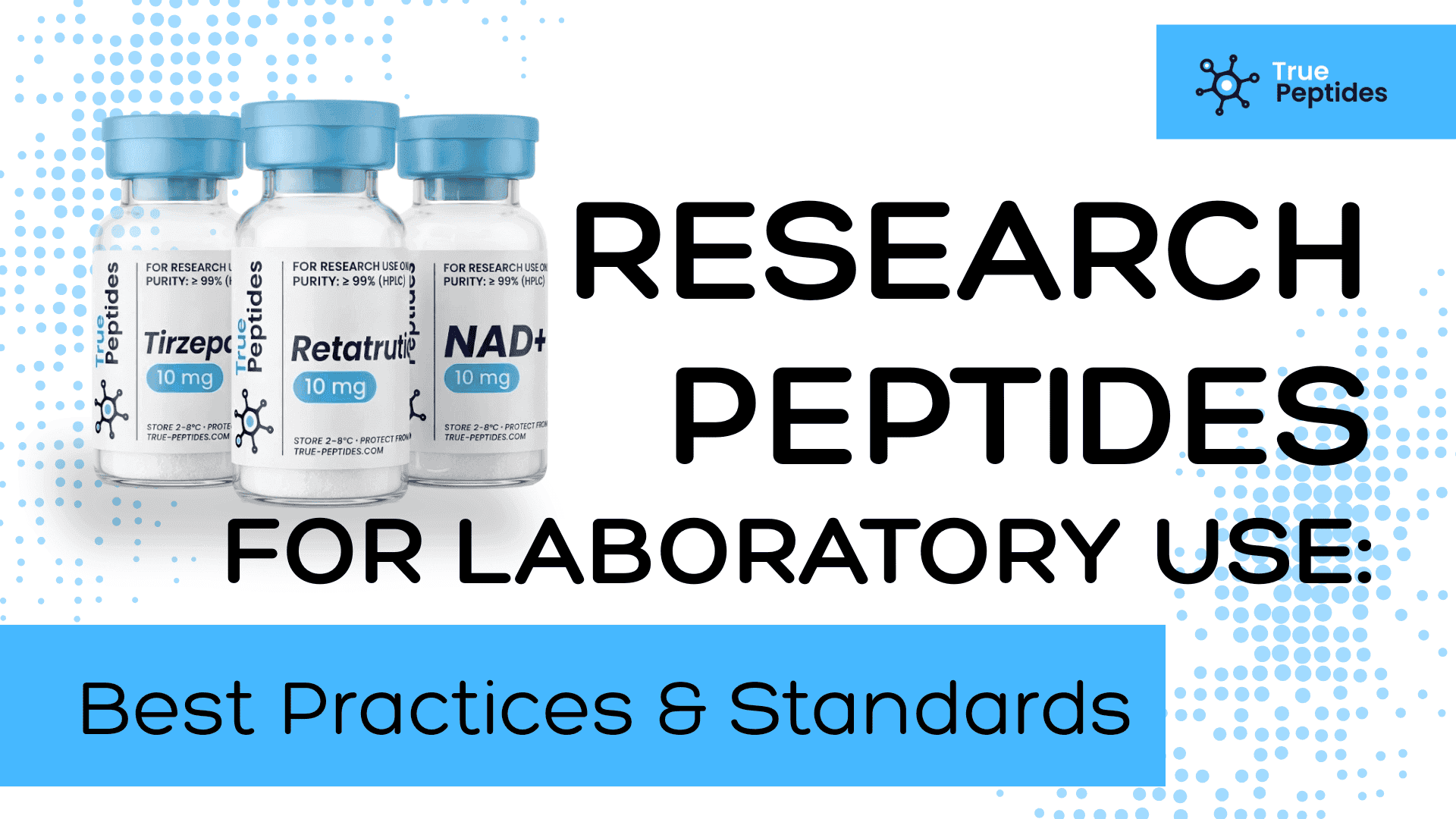
Research Peptides for Laboratory Use: Best Practices and Standards
Research peptides are generally stable yet sensitive, especially when handled improperly or exposed to harmful elements. As peptide sciences grow in popularity among researchers for their potential, the demand for research peptides has also grown exponentially over the years.
Read More →